Notable events and exhibitions
Street photography has a rich history and a lively contemporary scene. Exhibitions, festivals, talks and open calls can help you see work in person, discover photographers outside your usual feed, and understand how a project is presented. The important thing is not simply to attend more events, but to look closely and use what you learn in your own work.
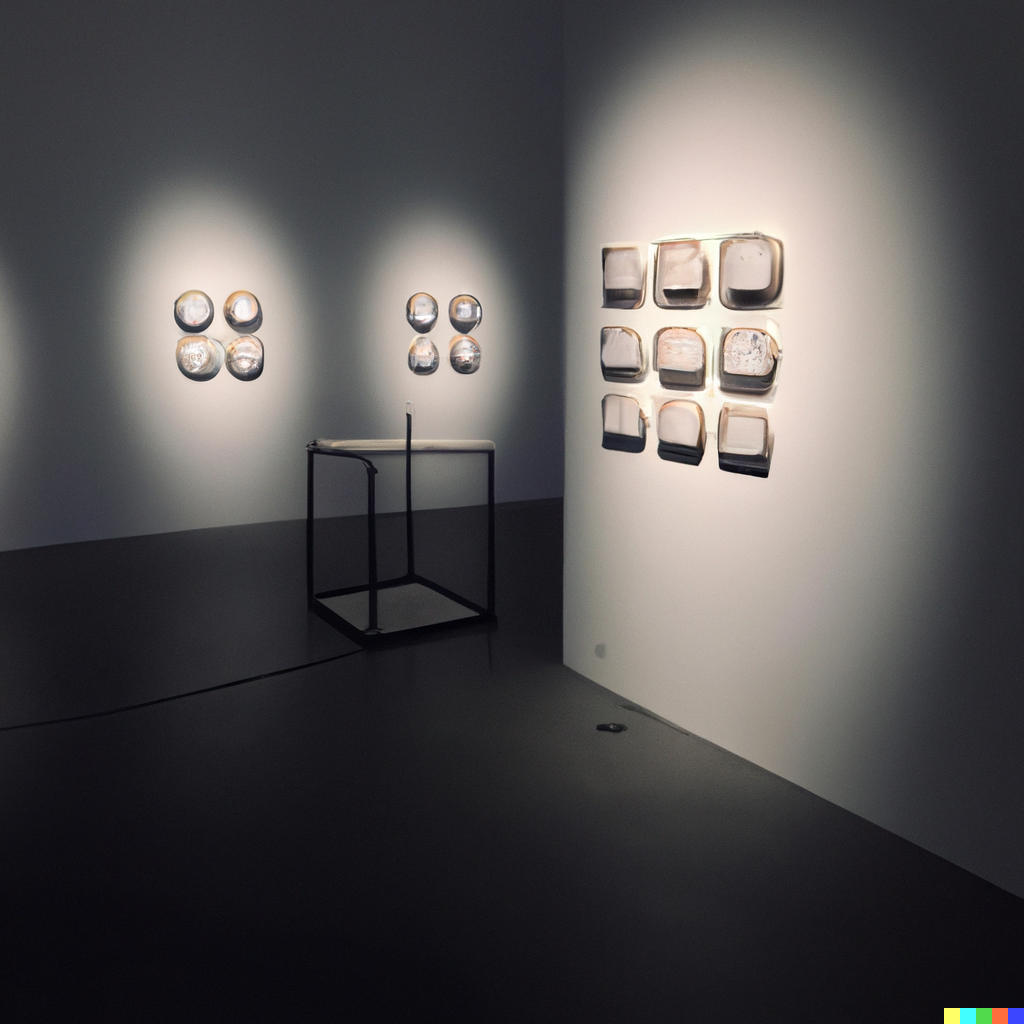
Why Street Photography Events Matter
A good exhibition gives you something a screen cannot: scale, sequence, paper, space and time. You can see which images belong together, where the photographer creates a pause, and how a body of work develops. Festivals and talks can also introduce you to different ways of working, from long-term documentary projects to looser, personal street work.
For photographers beginning to share work, events can make the genre feel less abstract. They are places to meet people, ask useful questions and learn how images move from a hard drive into an edit, a book, a wall or a conversation.
Reference Points to Research
The following names are useful reference points in street-photography culture. They are not a current calendar: programming, locations, dates and submission requirements can change, so always check an organiser’s own channels before making plans or submitting work.
Photoville
Photoville is a photography event associated with exhibitions, talks, workshops and a broad range of photographic voices. It is a useful example of how photography can be shown in a public, accessible setting, and how exhibitions can create a meeting place around images.
Street Photography International
Street Photography International has helped bring together photographers, exhibitions and conversations around the genre. Its work is worth researching as an example of how a dedicated community can give street photography a visible platform.
Street Photography Now
Street Photography Now is a useful book-and-exhibition reference for looking at a wide range of contemporary approaches together. It is especially valuable for studying how different photographers can share a genre while using completely different visual languages.
London Street Photography Festival
The London Street Photography Festival is another useful reference point for exhibitions, talks and the social side of the genre. Whether you visit, follow a programme or study its past participants, focus on how photographers present a coherent body of work rather than only single images.
How to Find Current Photography Exhibitions and Open Calls
- Follow organisers and galleries directly. Official websites, mailing lists and verified social channels are more reliable than old round-up articles for dates, deadlines and eligibility.
- Look locally as well as internationally. A small gallery, community darkroom, photobook shop or city festival can be more useful for building relationships than a distant, high-volume call.
- Read the details before you submit. Check entry fees, image rights, print requirements, usage terms, deadlines and whether the opportunity suits the work you actually make.
- Keep a short list. A simple document with deadlines, requirements and notes prevents you from sending the same edit everywhere without thought.
How to Learn from an Exhibition
When you visit an exhibition, give yourself time with the work. Notice the first image, the final image and the rhythm between them. Ask what holds the project together: place, colour, people, a repeated gesture, a political question, humour or simply a photographer’s way of seeing.
- Study sequence. A strong edit often gives each photograph a different job. Some open a story, some create contrast, and some let the viewer breathe.
- Notice material choices. Print size, paper, framing, captions and wall space all influence how an image feels.
- Take one idea back to your own work. You might explore a sequence, a repeated location or a different way of presenting a small project. The guide to street photography styles and influential photographers can help turn that observation into a personal study.
Preparing Your Work for an Open Call
An open call is not just a place to upload your favourite images. It is an invitation to make a small, considered edit for a particular context. Start with the brief, then choose photographs that speak to each other and to what the organiser is actually asking for.
- Read the brief twice. Check the theme, deadline, number of images, file dimensions, rights and fees before selecting anything.
- Make a focused edit. Choose images that work together rather than a collection of unrelated highlights.
- Write plainly. A short project statement should help someone understand the work without explaining every picture away.
- Keep your files and rights organised. Save the version you sent and retain your original files, captions and submission confirmation.
For more help with the mechanics, continue with how to submit your street photography work and this curated overview of photography competitions. Use both as starting points, then verify every current requirement directly with the organiser.
Street Photography Events Questions
How do I find street photography exhibitions near me?
Start with local galleries, museum photography programmes, photobook shops, arts newsletters and photography collectives. Follow a few organisers directly so you hear about openings and calls from the source.
Are photography open calls worth entering?
They can be worthwhile when the call fits your work, the terms are clear and the fee feels reasonable to you. Treat each submission as practice in editing and presenting a project, not as a measure of whether your photography is valid.
What should I bring to a photography festival or exhibition?
Bring curiosity first. If you are meeting people, a simple portfolio link or small edit on your phone can be helpful, but do not treat every conversation as a pitch. Look carefully, ask specific questions and make genuine connections.
Events and exhibitions are part of the ongoing conversation around street photography. Use them to look more carefully, edit more clearly and keep moving your own work forward.
Written by Ishay Lindenberg, a Berlin-based photographer.
I share the photographs that do not fit into an article—and the ones that are still asking a question. If you are in Berlin and want to talk photography, prints or workshops, you can get in touch.