Why Street Photography? A Way of Paying Attention
Why Make Street Photographs?
Street photography is a way of paying attention to public life. It happens in the space between a plan and a surprise: a gesture, a reflection, a strange meeting of people and light, or the small theatre of an ordinary street. You do not need an exotic place for it. You need curiosity and the willingness to look for longer than usual.
Jump to: what street photography is · why it matters · how to start · working with respect · common questions.
What Is Street Photography?
Street photography is often made in public places, but its subject is not simply the street. It is the human condition as it appears in everyday life: people moving through a city, spaces carrying traces of use, and moments that say more than they first seem to. Some photographs are candid; others involve a brief exchange. There is no single visual style that defines the genre.
The work can be black and white or colour, quiet or crowded, humorous or difficult. What matters is that the photographer is responding to something real and trying to make a meaningful frame from it.
Why Street Photography Matters
Photography gives ordinary life a second chance to be noticed. The familiar route to work, a waiting room, a market or a sudden patch of light can become interesting when you stop treating it as background. Over time, photographs can become a personal record of how a place felt and how you learned to see it.
It is also a practice in uncertainty. You cannot control the street, which means you learn to work with timing, patience and imperfect conditions. That is part of the pleasure.
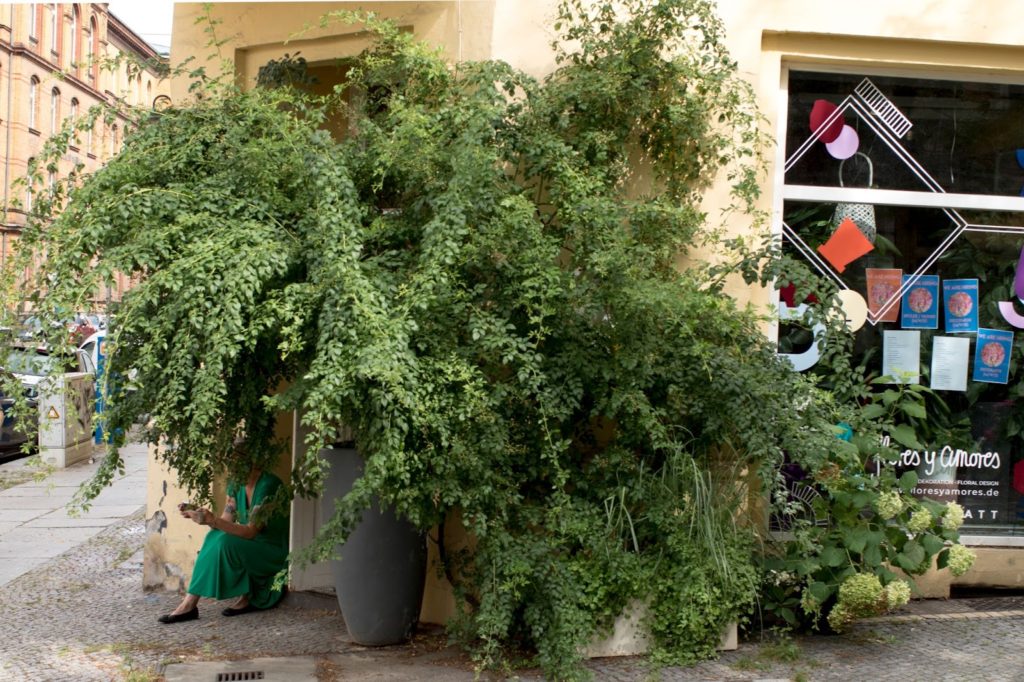
How to Begin Street Photography
Start close to home. Take the camera or phone you already know, choose a familiar street and give yourself one small question: where does the light fall, who is waiting, what repeats, or what does this place look like at a particular hour? Small questions create a reason to keep looking.
- Walk slowly enough to notice before you photograph.
- Return to the same place. Familiarity reveals changes.
- Make a few frames, then review them later with some distance.
- Study other approaches without trying to copy their results. The guide to street photography styles and approaches is a useful next step.
Work with Respect
A camera does not remove responsibility. Pay attention to how a situation feels, avoid making someone vulnerable for the sake of a frame, and be ready to walk away. Rules and expectations vary by place and situation, so learn the relevant guidance where you work. Respect is not an obstacle to street photography; it is part of learning how to make it well.
Questions About Street Photography
Do I need a special camera for street photography?
No. A phone, compact camera or larger camera can all be useful. Choose the tool you can carry comfortably and use without thinking too much about it.
Is street photography only about people?
No. People are often part of it, but a street photograph can also be about traces, spaces, light, objects and the relationship between them.
How can I become more confident photographing in public?
Begin with small, respectful walks. Learn your camera, give yourself simple subjects and allow yourself to leave a situation when it feels wrong. Confidence grows from practice, not from forcing a confrontation.
Keep Returning to the Street
The reason to make street photographs is not to collect proof that you were somewhere. It is to stay open to what is already happening around you. Keep walking, keep looking, and let the work grow at its own pace.
Written by Ishay Lindenberg, a Berlin-based photographer.
I share the photographs that do not fit into an article—and the ones that are still asking a question. If you are in Berlin and want to talk photography, prints or workshops, you can get in touch.