Consent and privacy in street photography
Street photography often includes people in public life, so consent and privacy deserve more thought than a quick technical decision. A photograph can be spontaneous and still be made with respect. The question is not only can I take this picture? but also what does it ask of the person in it?
Consent and Privacy Are Not the Same Decision
Consent is a person’s agreement to be photographed or to take part in a photograph. Privacy is broader: it is about whether an image feels intrusive, exposes something personal, or creates harm when it is shared. In practice, photographing, editing and publishing are separate moments for judgment.
A candid photograph is not automatically disrespectful, and a visible camera does not automatically create meaningful consent. Context matters: distance, subject, location, power dynamics, vulnerability and how an image may be used all change the answer.
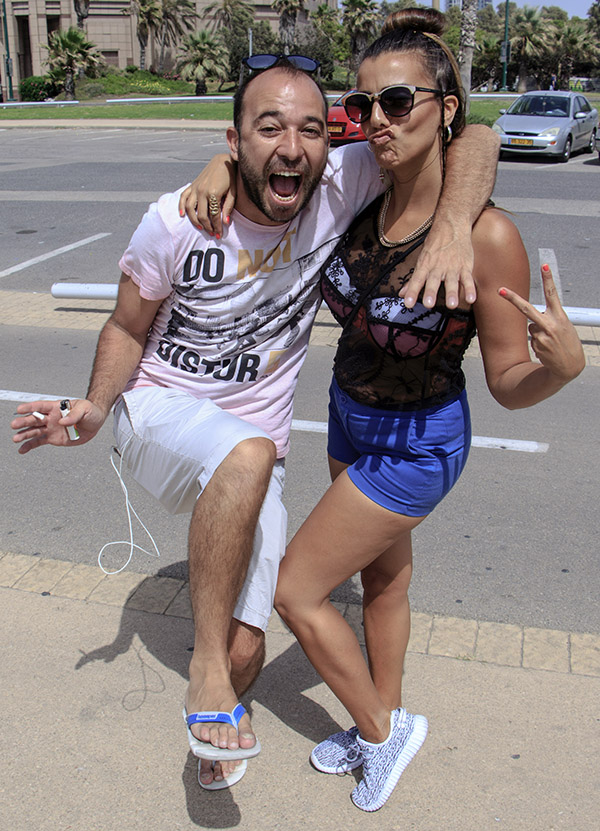
When to Ask Before Photographing
Street photography is often spontaneous, so asking first is not always possible. But there are situations where a higher standard of care is the right choice. If the image is close, intimate, emotionally exposed or likely to identify someone strongly, pause and consider whether a conversation is possible—or whether the photograph should not be made.
- Close portraits and intimate moments: a simple gesture, eye contact or short conversation can establish whether someone is comfortable.
- Children and vulnerable people: apply a much higher ethical standard. If you cannot obtain meaningful permission from the appropriate person, do not treat the scene as an opportunity.
- Sensitive places or circumstances: hospitals, shelters, protests, religious settings, workplaces, people in distress and private moments require particular judgment.
- Commercial or promotional use: do your legal and practical checks before you rely on an image for a client, a campaign or a product.
How to Photograph People with Respect
- Read the room before raising the camera. Notice the energy of a place, whether someone seems uncomfortable, and whether photography is likely to interrupt a private moment.
- Be open rather than defensive. If someone asks what you are doing, lower the camera, listen and answer simply. A respectful conversation is usually better than trying to disappear.
- Respect a clear objection. When a person does not want to be photographed or asks you to move on, take the request seriously. The practical guide to handling difficult street photography situations explains how to de-escalate without turning a disagreement into a confrontation.
- Do not make a subject of someone’s discomfort. A person being upset is not a cue to keep photographing. Put the camera down and create space.
Before You Share or Publish an Image
The edit is a second ethical decision. Before posting, exhibiting or submitting an image, ask whether it gives a fair impression of the person and the moment. Is there anything in the frame that could expose, embarrass or endanger someone? Would you feel comfortable explaining the decision directly to the subject?
- Consider context and caption. A truthful image can still become misleading when it is cropped, sequenced or described carelessly.
- Think beyond a single platform. Once shared, an image can travel, be copied and be interpreted outside its original context.
- Do a separate legal check before publication. Rules on image rights, privacy, publication and commercial use vary by country and by the particular facts. For a Berlin-focused starting point, see the guide to street photography in Germany.
Legal note: This article is general practical information, not legal advice. Laws and the details of an individual photograph can change the answer. If you are unsure, especially before publication or commercial use, seek advice from a qualified local professional.
Candid Work Needs Careful Judgment
The tension between observation and participation is part of the genre. In a candid versus posed street photography approach, the choice is not simply whether someone looked at the camera. It is whether your way of working respects the person, the setting and the story you are trying to tell.
Consent and Privacy Questions
Do I always need to ask before taking a street photo?
Not every candid photograph allows a conversation first, but that does not remove your responsibility to use judgment. The closer, more personal or more sensitive the situation, the stronger the reason to pause, ask or let the image go.
Is taking a photo the same as publishing it?
No. Photographing and publishing are different decisions. Sharing an image can create new privacy, ethical and legal questions, so review the image again before it leaves your archive.
What should I do if someone objects to being photographed?
Stay calm, listen and give the person space. Do not escalate the situation or continue photographing them. If you are unsure how to respond, the best immediate decision is often to leave the scene and think it through later.
Respectful practice does not weaken street photography. It makes the work more considered, more human and more likely to remain meaningful over time.