About My Street Photography: The Art of Coincidence
The Art of Coincidence
Street photography has been part of the way I move through the world for a long time. I do not go out looking for a fixed picture. I carry a camera, pay attention and allow the street to surprise me. A glance, a pattern, an awkward meeting of people and space, or something happening on the way to somewhere else can become a photograph.
This page is built around an interview originally published by Rosphoto, together with a selection from The Art of Coincidence. It is less a biography than a short explanation of what keeps me looking.
Jump to: background · beginning with photography · why the street · finding coincidence · style · questions.
Who Are You and Where Does Your Photography Begin?
I was born in Israel. My love of photography started early because my father was a passionate hobby photographer. When I was a child, he had an old Zorki camera and a darkroom. My sister Yaara and I constantly asked him to develop films with us. I loved the process because it felt magical: an image appearing from a piece of paper that had been empty moments before.
Later, I was accepted to a personal programme in the Faculty of Art, where I studied and experimented more deeply with photography and art. I now live and work in Berlin.
How Did You Start Taking Pictures?
My first camera was bought in India when I was 20. At that time I photographed as an amateur. Through studies and constant practice, I developed more skills. I see myself as an artist who photographs.
Why Street Photography?
Surprisingly, I never chose it. You could say the genre chose me. My interest in photography is wide—I also make fashion and portrait photographs—but I try to carry a camera almost everywhere. If I do not have it, I use my phone. The street is fast and unpredictable, full of authentic moments that tell a story. Those stories have artistic and social value for me, and I try to capture them.
How Do You Photograph Coincidence?
The most interesting moments are happening constantly around us. Reality is the best director, and it is hard to plan. For me, the important thing is developing the senses to detect those moments. The more you observe, photograph and practise, the sharper those senses become. Many of my best pictures were things I saw while on the way to somewhere else or doing something completely ordinary.
That is why I return to the same streets and do not insist on a result every time. The practice is attention first; the photograph comes later.
How Would You Describe Your Style?
I create a body of work that does not follow a fixed set of traditional photographic rules. It contains flashes of the human element alongside a mosaic of busy modern reality. Whether the story is funny, ridiculous, frightening or fantastic, I want to bring my own perspective in a way that triggers emotion and transforms seemingly meaningless everyday things into art.
Questions About My Street Photography
Do you plan street photographs in advance?
Not usually. I prepare by carrying a camera and paying attention, but the pictures themselves often grow from a moment that could not have been planned.
What makes a street photograph meaningful to you?
It needs to carry something beyond its surface: a feeling, a story, an unusual relationship or an emotional response. The ordinary can become meaningful when the frame gives it a different life.
Where can I see more of this work?
You can explore more photographs in The Art of Coincidence project.
The art of coincidence: selection
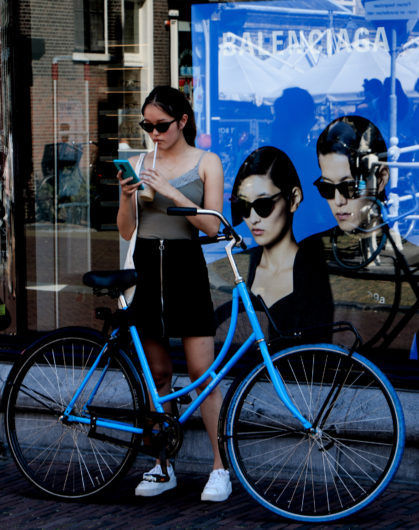
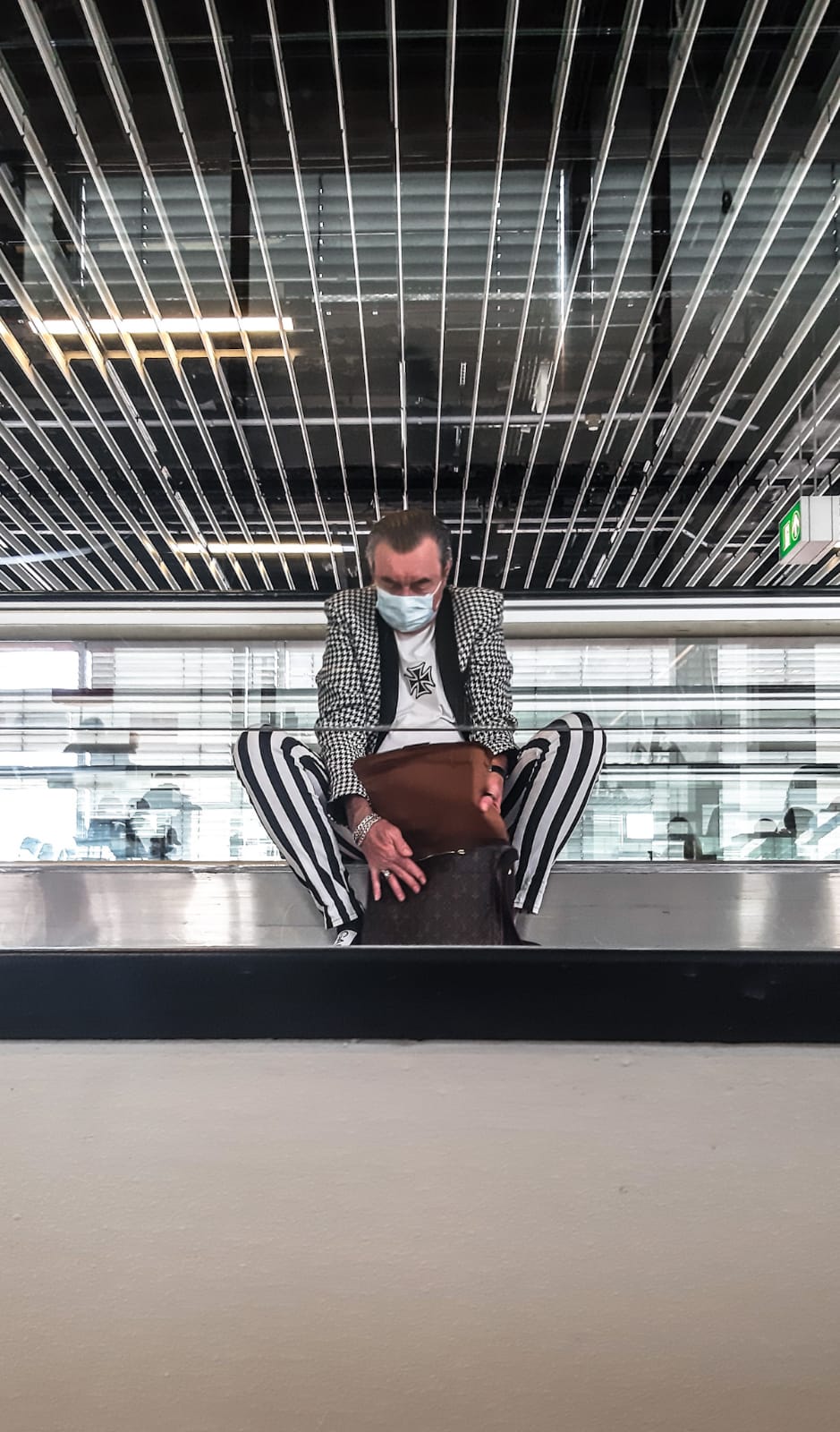
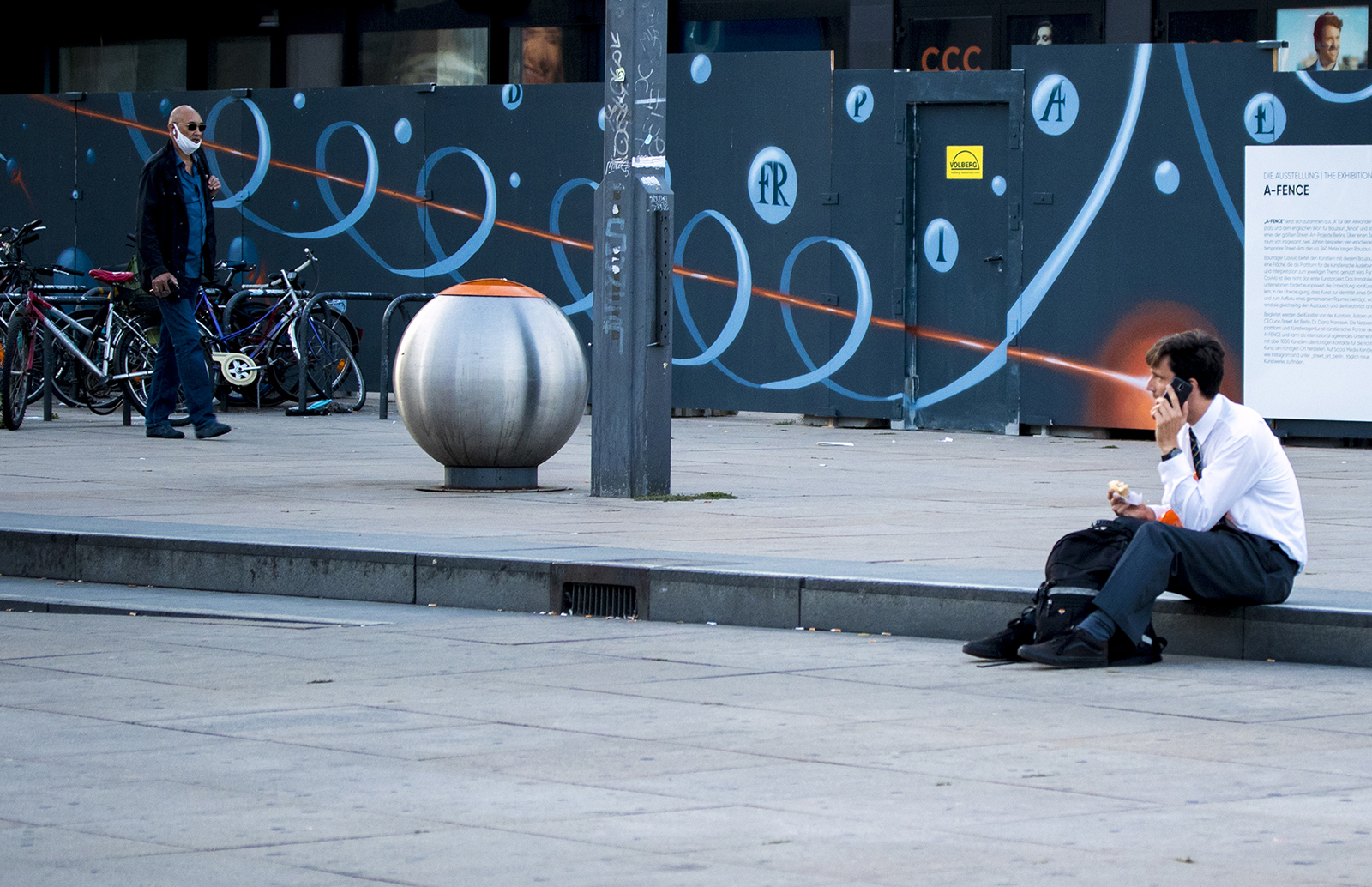
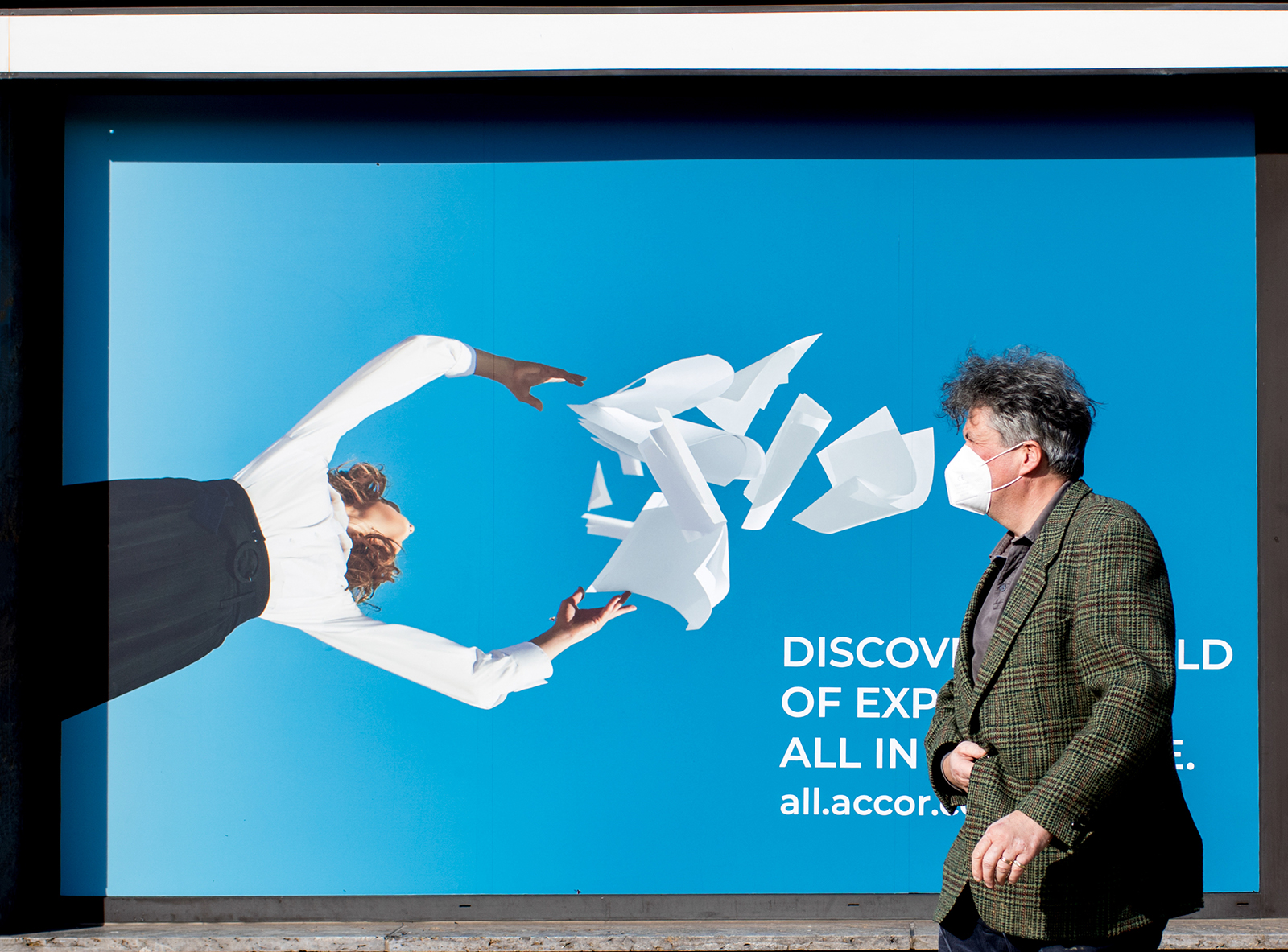
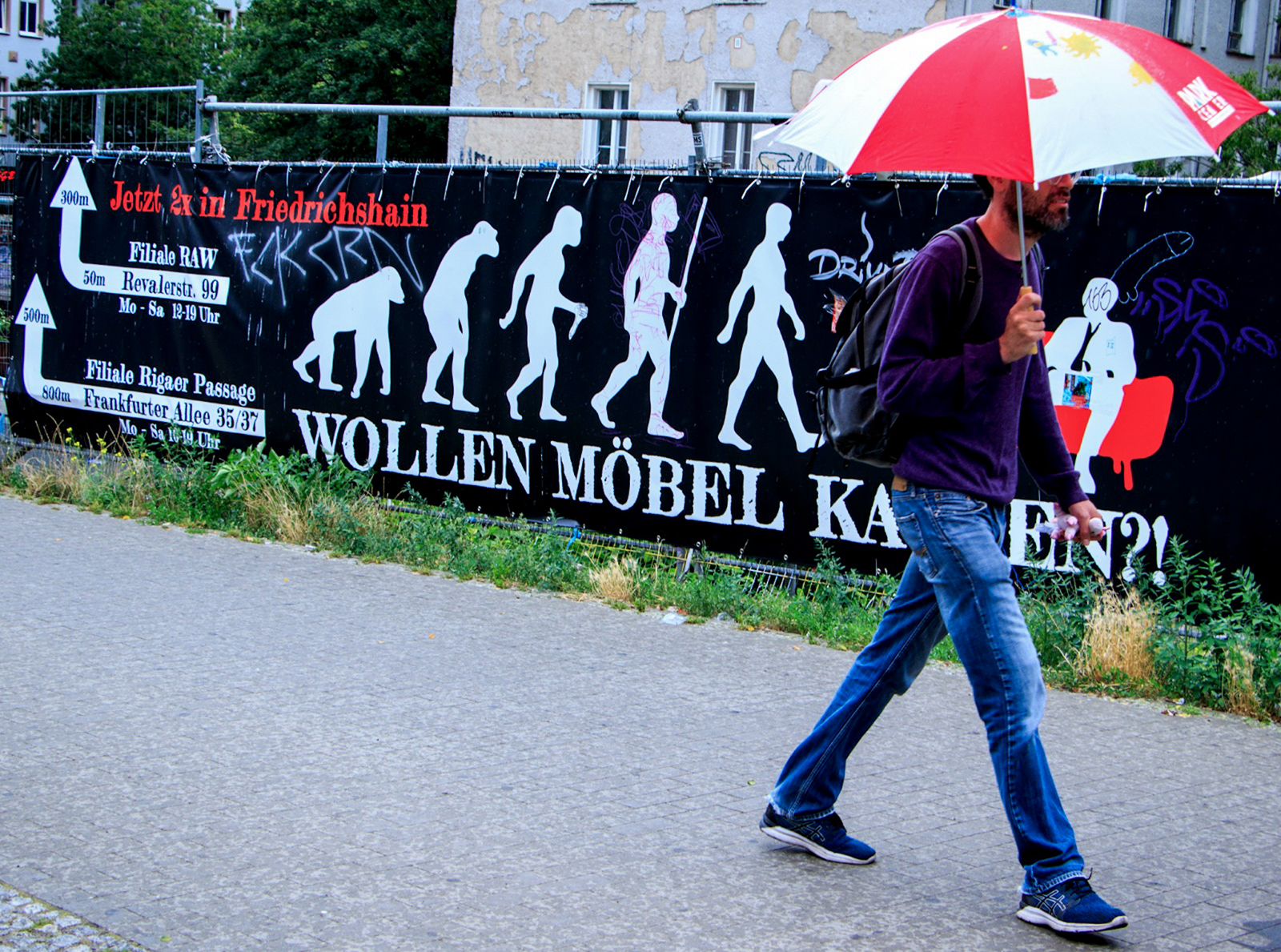
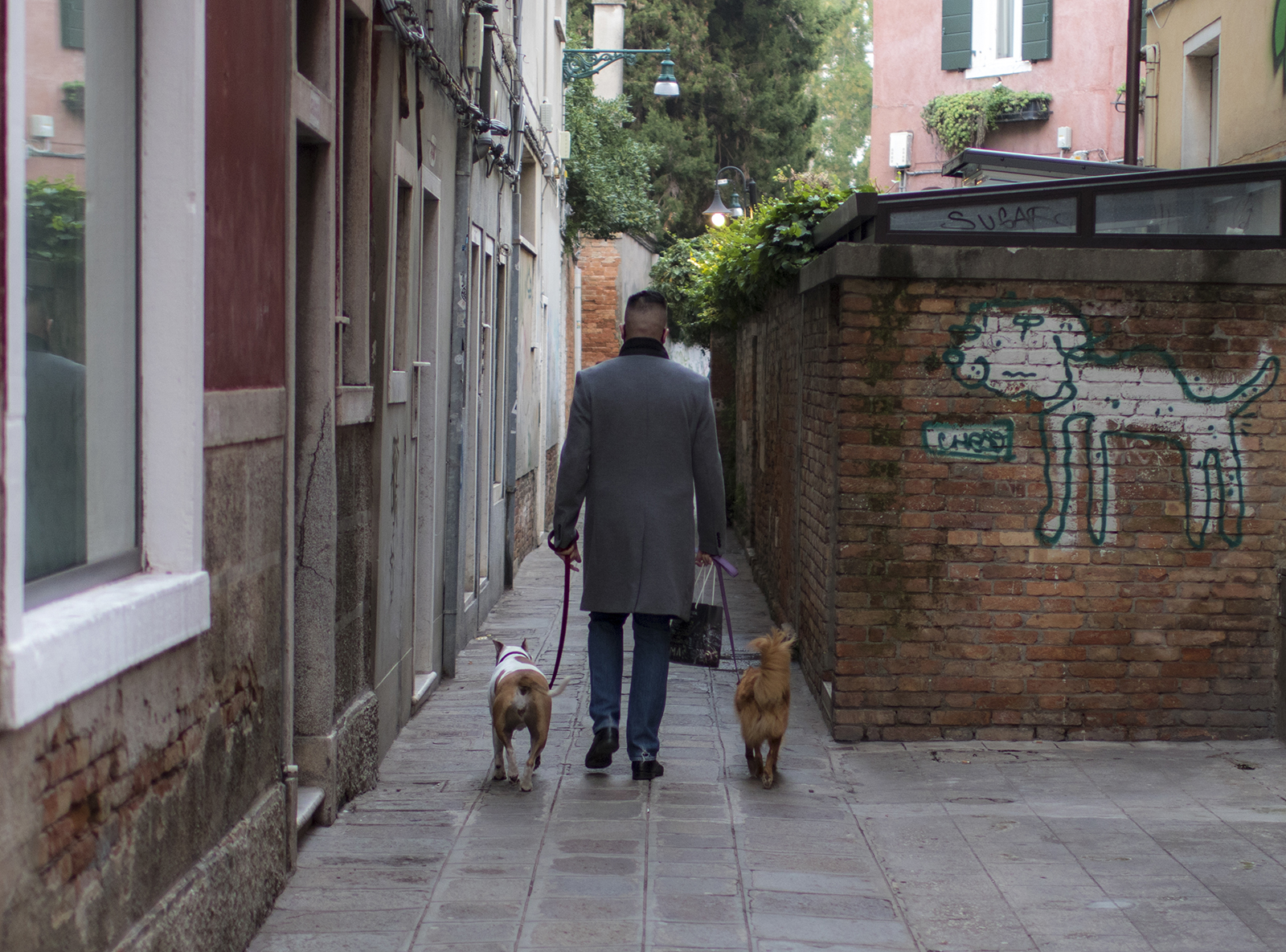
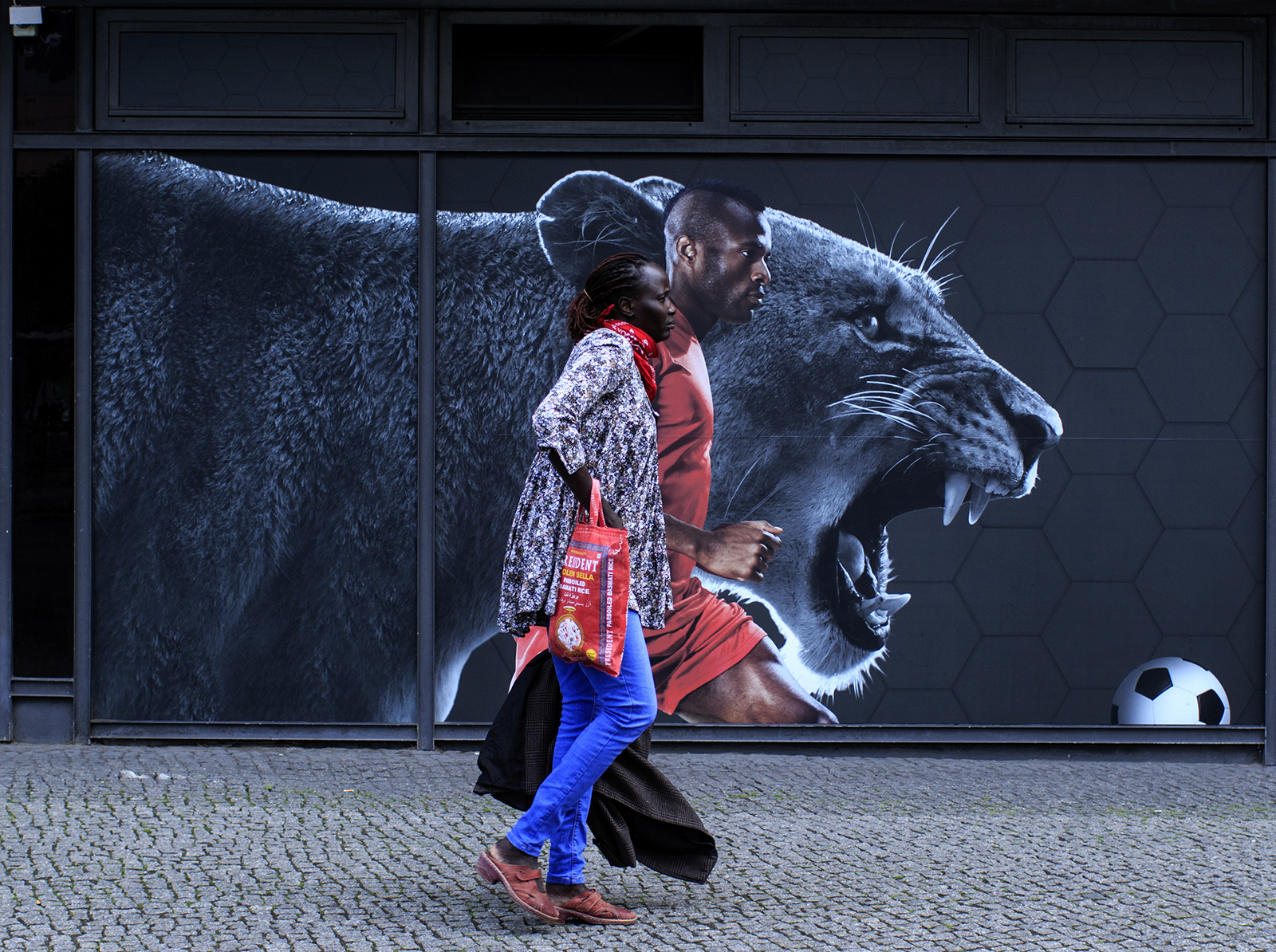
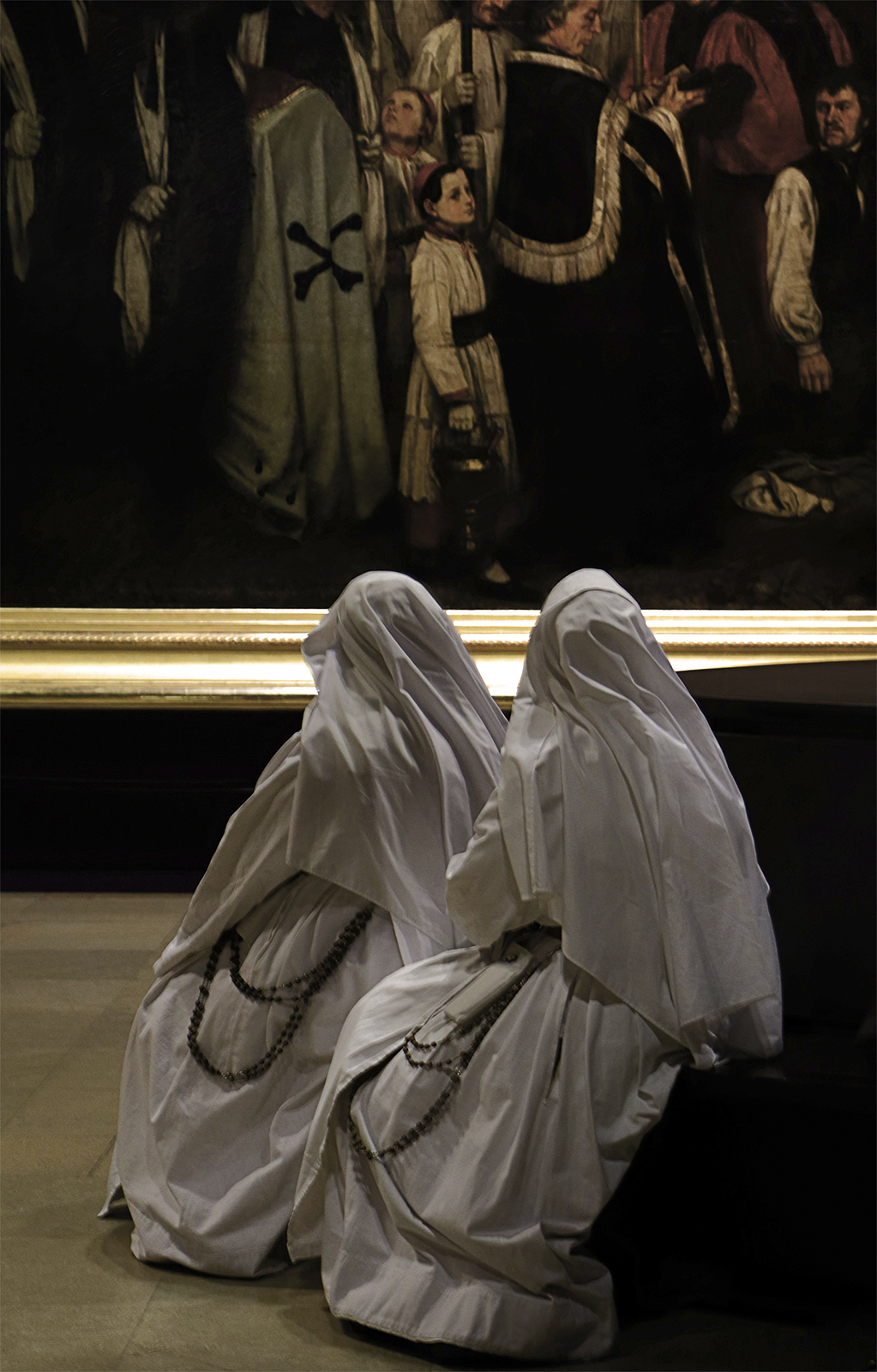
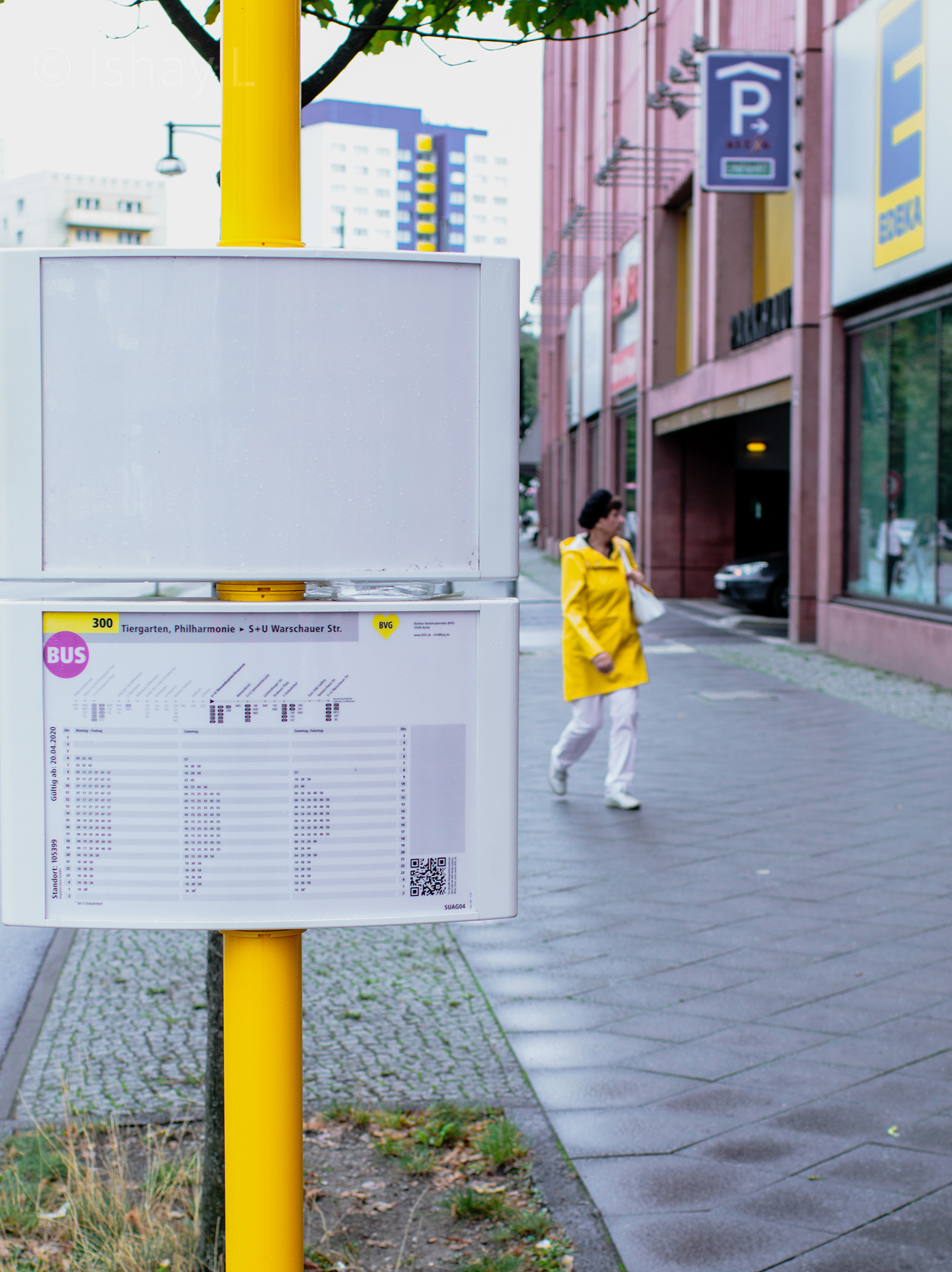
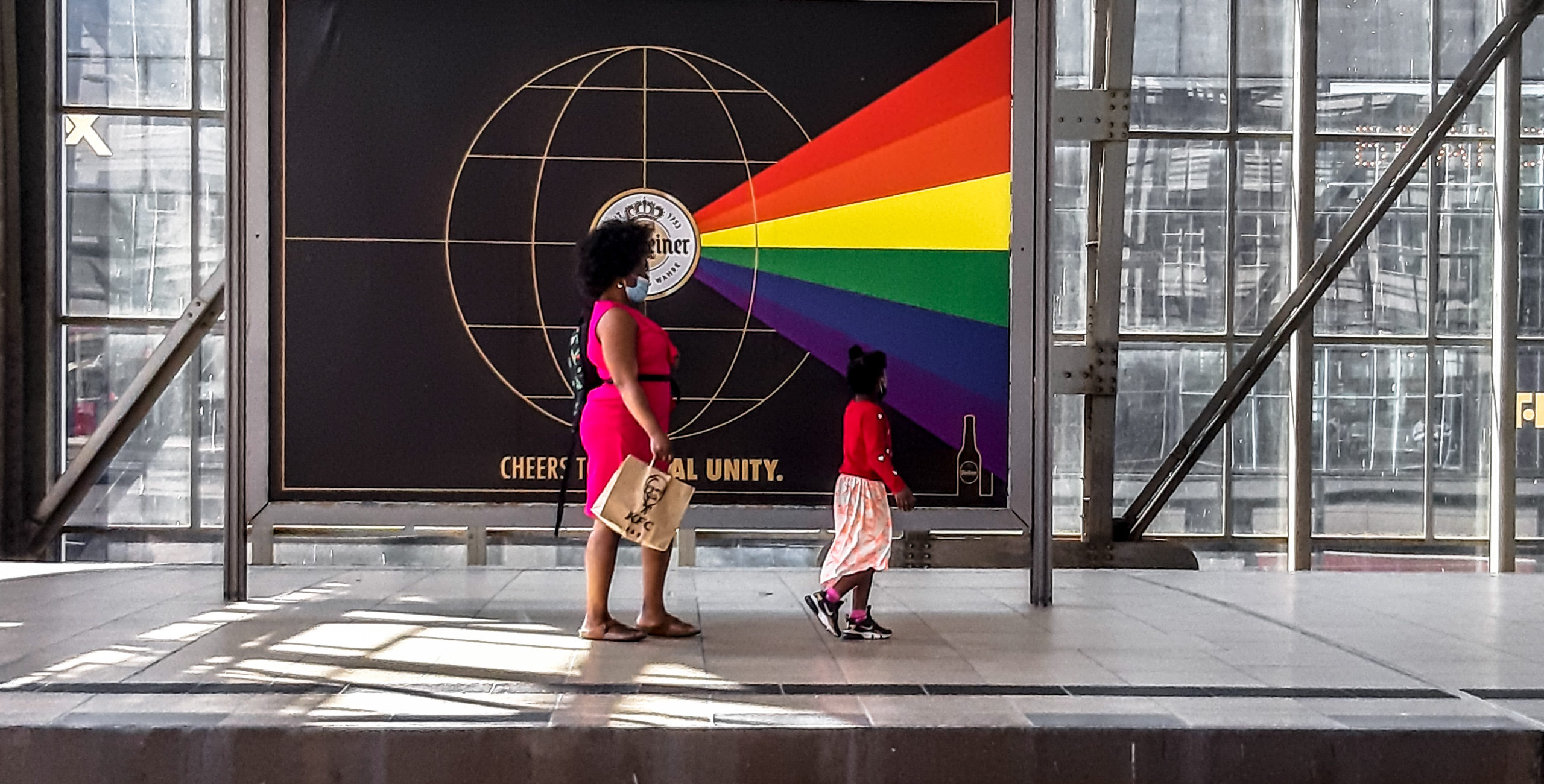
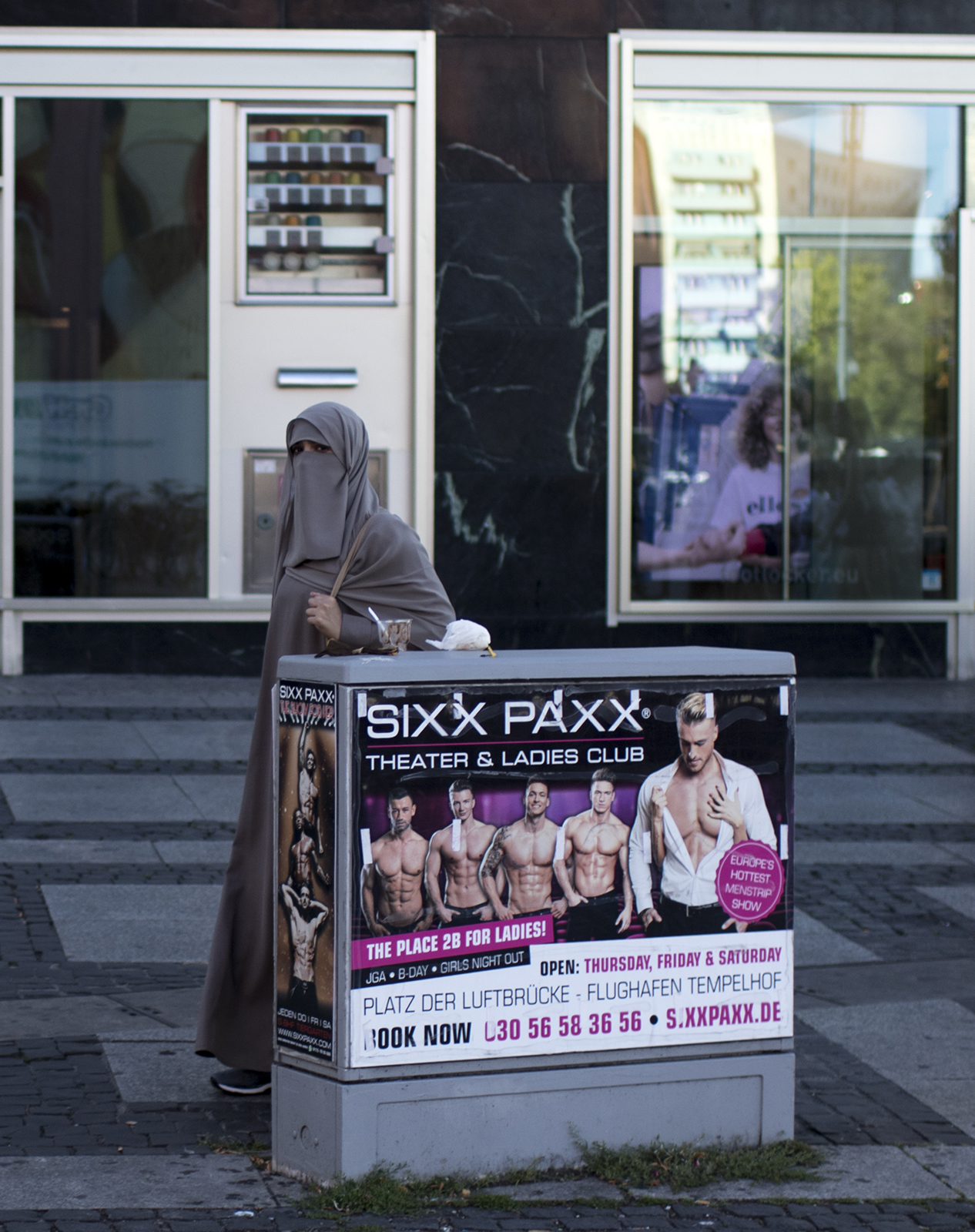
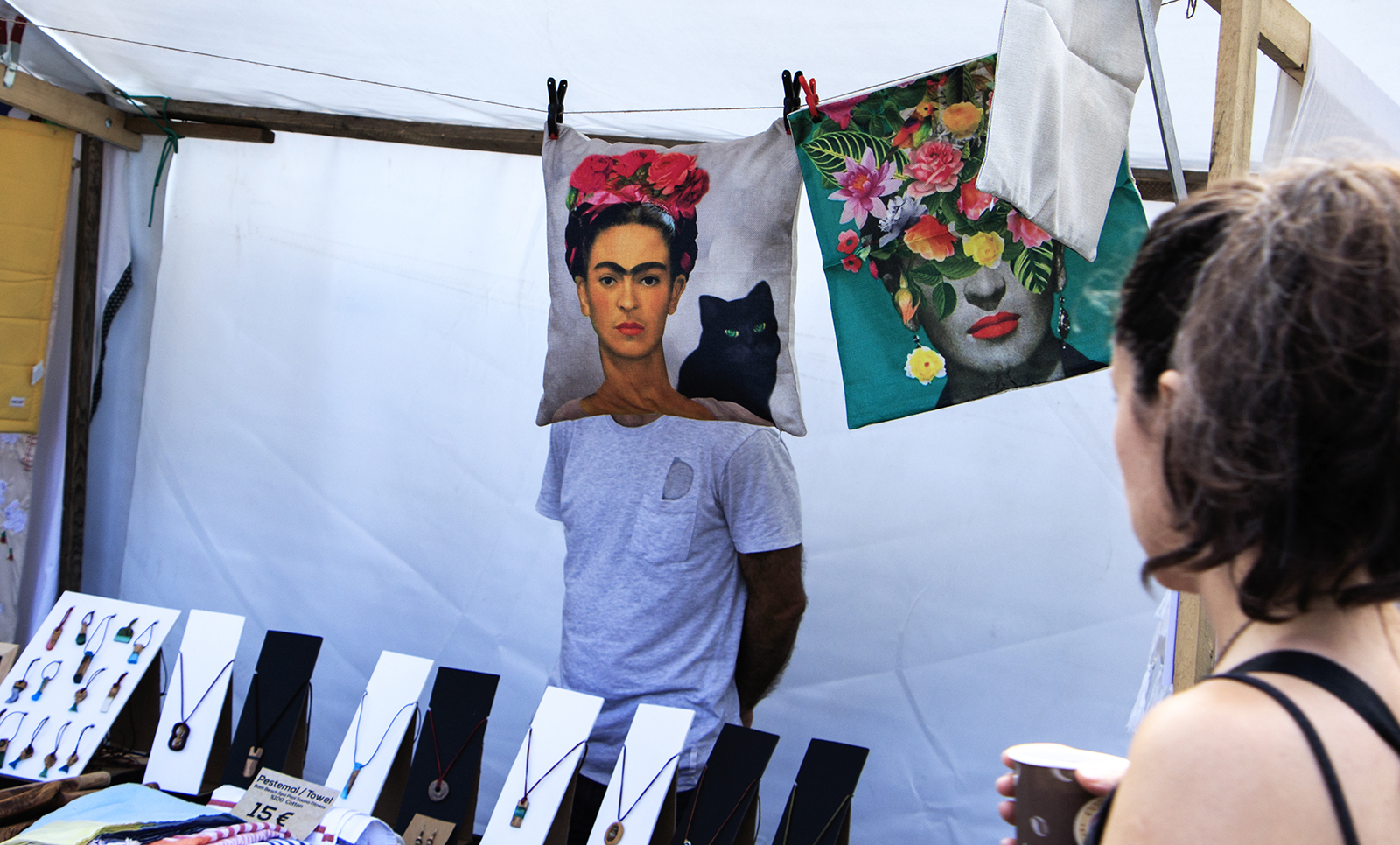
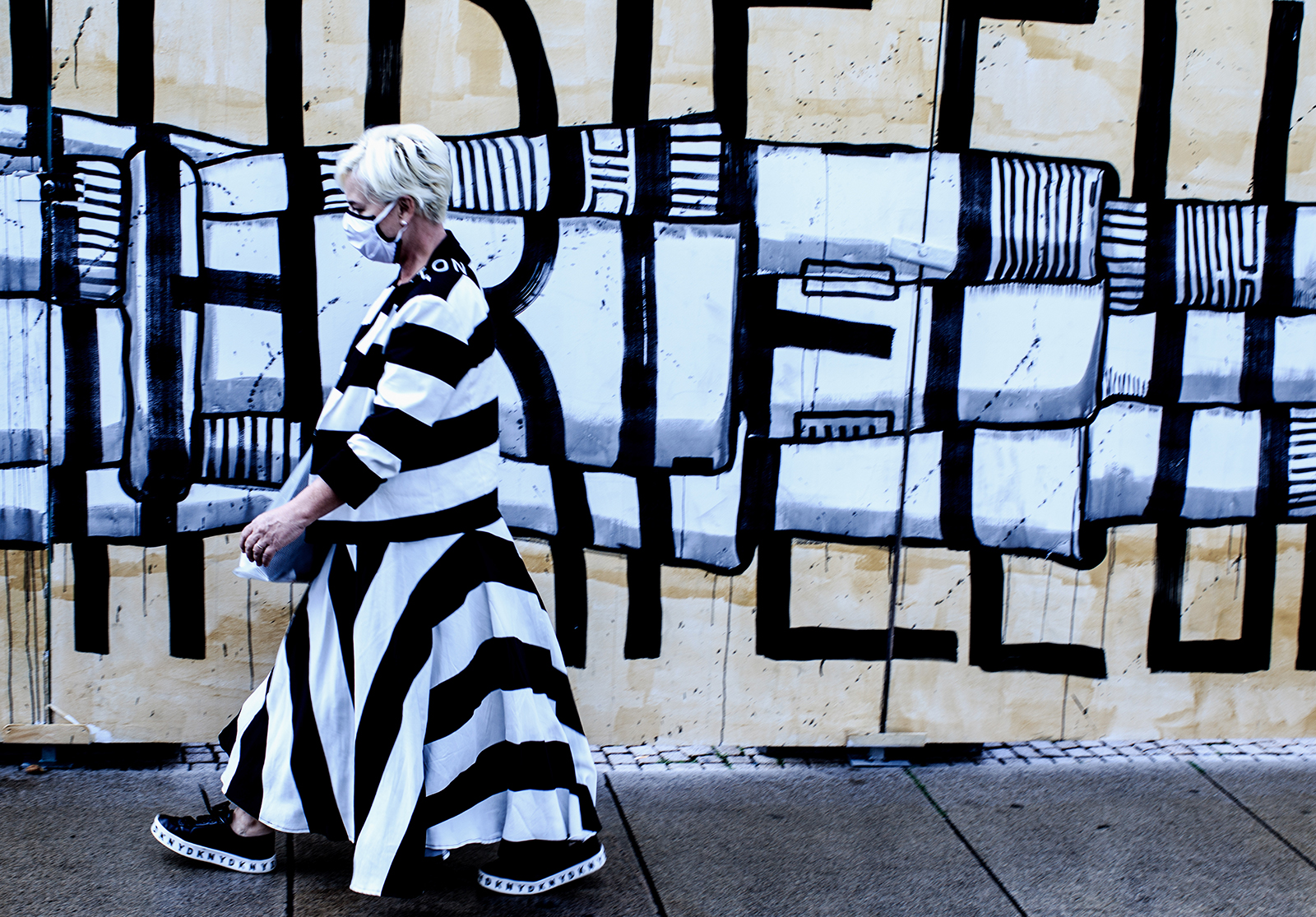
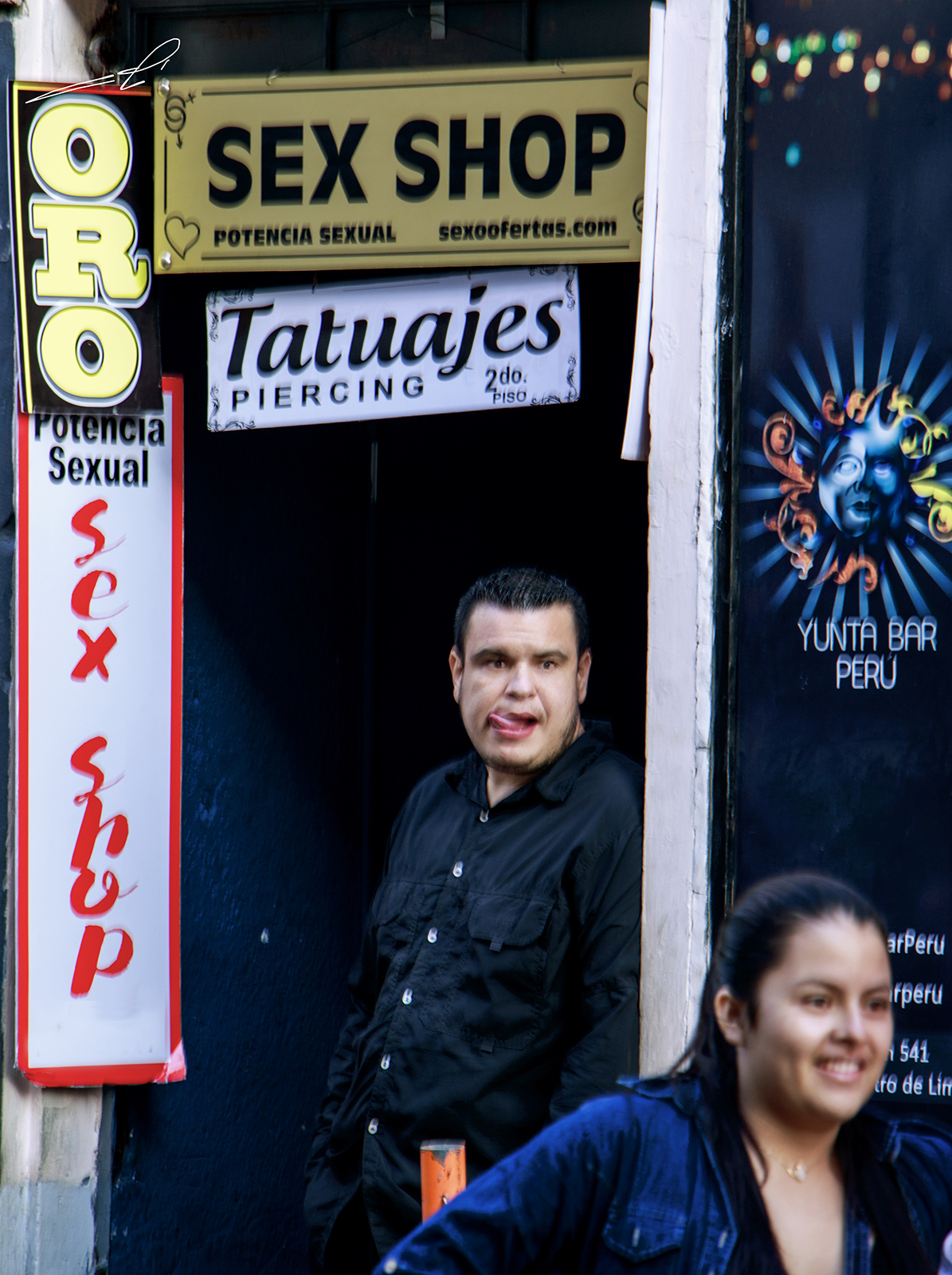
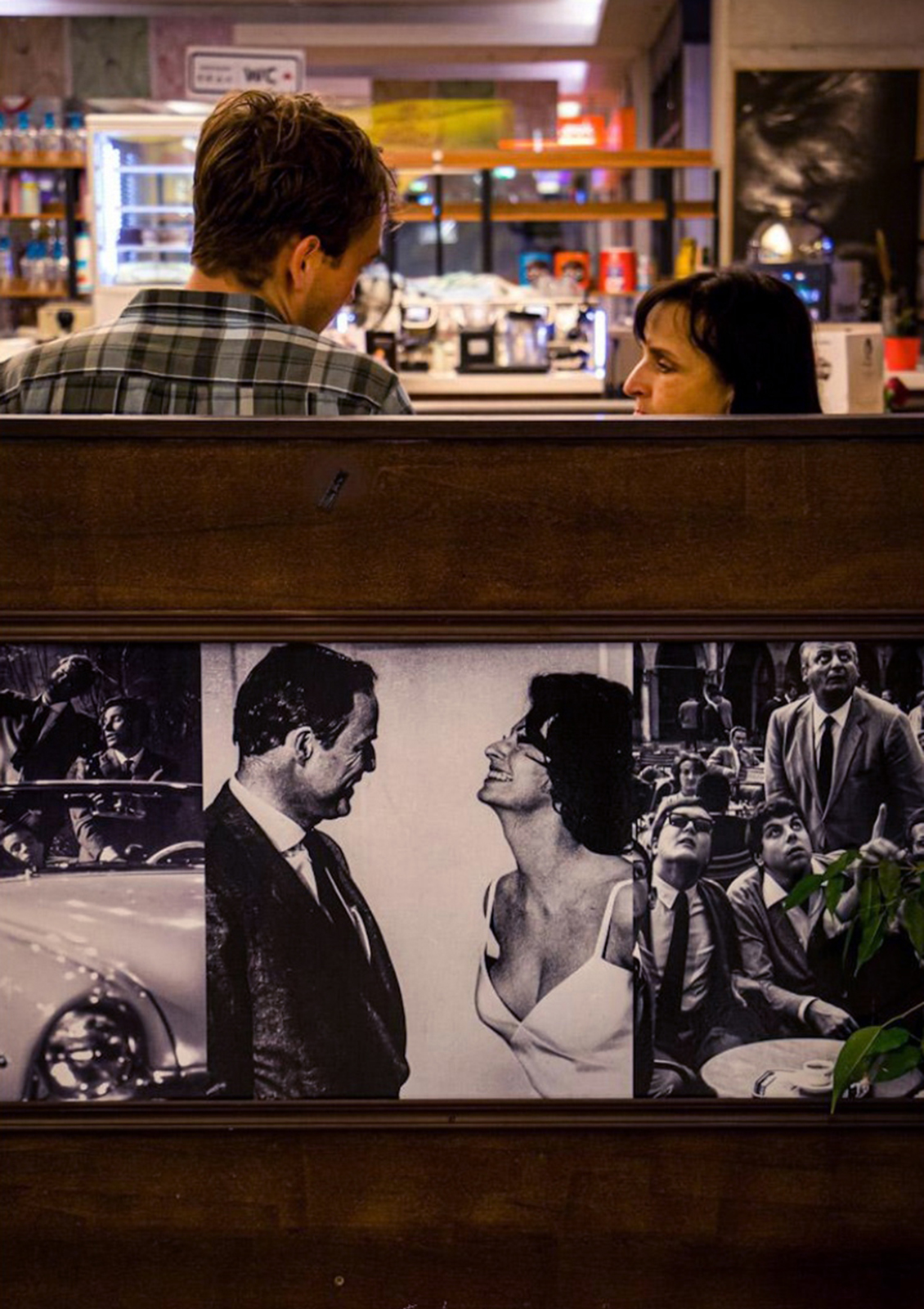
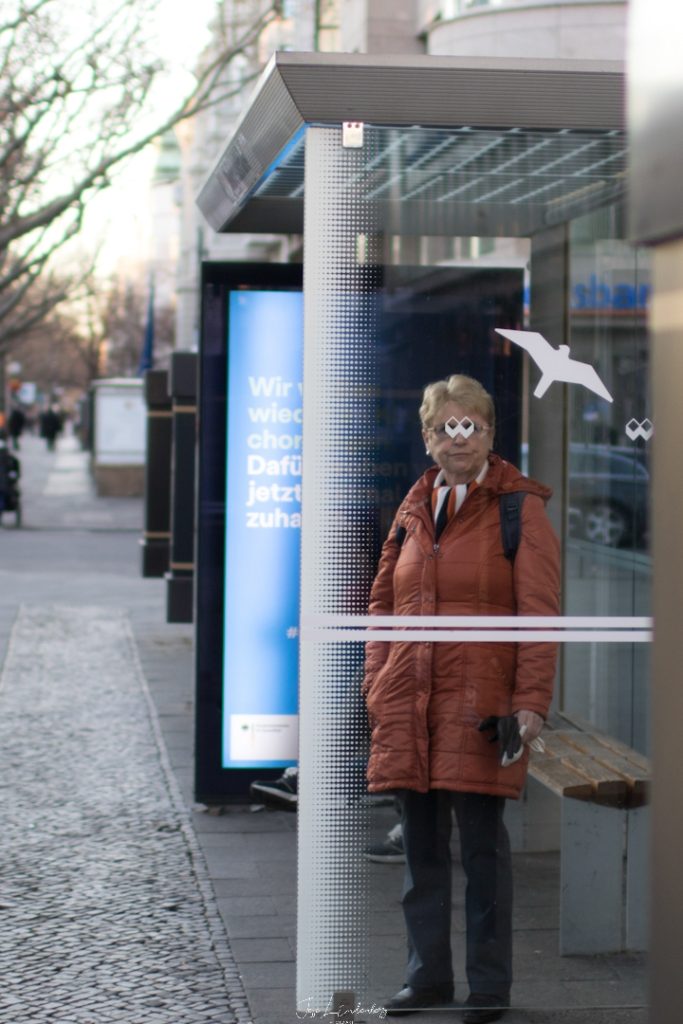
You are welcome to view more from this street photography in the art of coincidence project page
Taken from interview to the magazin “Rosphoto” : 10.11.2020
Written by Ishay Lindenberg, a Berlin-based photographer.
I share the photographs that do not fit into an article—and the ones that are still asking a question. If you are in Berlin and want to talk photography, prints or workshops, you can get in touch.